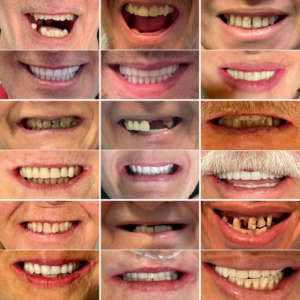
Replacing multiple missing teeth is a significant decision that can improve oral function, confidence, and overall quality of life. Modern implant dentistry offers several full-arch tooth replacement options, with All-on-4 and All-on-6 dental implants being two of the most commonly recommended treatments. Both approaches provide fixed replacement teeth supported by dental implants, but they differ in the number of implants used, stability, and long-term considerations.
At Texas Implant and Dental Center, patients receive personalised treatment planning based on their oral health, jawbone condition, and long-term goals. Whether someone is considering a Dental Implant in Amarillo or a Dental Implant in Fort Worth, understanding the differences between All-on-4 and All-on-6 systems can help them make a well-informed decision. Patients can also visit the clinic’s about us page to learn more about the team’s experience and treatment philosophy.
Understanding Full-Arch Dental Implants
Full-arch dental implants replace an entire upper or lower set of missing teeth using a fixed prosthesis supported by dental implants. Unlike traditional dentures, implant-supported restorations remain securely attached to the jawbone, reducing movement while eating or speaking.
Both All-on-4 and All-on-6 treatment methods use strategically placed implants to support a full arch of replacement teeth. The main difference lies in the number of implants used to secure the prosthesis.
Although both options offer excellent outcomes, the ideal solution depends on factors such as bone density, oral health, lifestyle, and long-term expectations.
What Are All-on-4 Dental Implants?
All-on-4 is a treatment method that uses four dental implants to support a complete arch of replacement teeth. Two implants are placed vertically at the front of the jaw, while the two rear implants are positioned at an angle to maximise available bone.
This approach was developed to help patients who have experienced moderate bone loss while reducing the need for bone grafting in many situations.
Benefits of All-on-4
Patients often choose All-on-4 because it offers several advantages.
- Fewer implants are required.
- Surgery is generally less complex.
- Many patients avoid bone grafting.
- Treatment time may be shorter.
- Lower overall treatment cost compared to additional implants.
Despite using fewer implants, All-on-4 provides a stable fixed restoration for many patients with appropriate bone support.
What Are All-on-6 Dental Implants?
All-on-6 follows the same concept as All-on-4 but uses six implants instead of four to support the complete dental bridge.
The additional implants distribute biting forces more evenly across the jaw, creating extra support for the restoration.
This option is often recommended for patients who have sufficient jawbone volume and want enhanced long-term stability.
Benefits of All-on-6
The additional implants provide several potential advantages.
- Improved weight distribution across the jaw.
- Increased stability during chewing.
- Greater support for larger restorations.
- Reduced stress on each individual implant.
- Potentially improved long-term durability.
While treatment may involve a slightly longer surgical procedure, many patients appreciate the additional support provided by six implants.
All-on-4 vs All-on-6: Key Differences
Although both treatments restore a full smile, there are several important distinctions.
Number of Implants
The most obvious difference is the number of implants supporting the prosthesis.
- All-on-4 uses four implants.
- All-on-6 uses six implants.
The additional implants provide more points of support throughout the jaw.
Bone Requirements
Patients with lower bone density often qualify for All-on-4 because the angled rear implants maximise available bone.
All-on-6 typically requires a more healthy jawbone to accommodate the extra implants. During consultation, advanced imaging helps determine whether sufficient bone is available.
Stability
Both systems are highly stable when properly planned and placed.
However, All-on-6 generally offers greater overall support because chewing pressure is spread across six implants instead of four.
For patients with stronger bite forces or those who regularly eat harder foods, this additional stability may be beneficial.
Treatment Complexity
All-on-6 involves placing two additional implants, making surgery slightly longer than All-on-4.
Healing time is generally similar, although individual recovery depends on overall health and bone quality.
Cost
Because All-on-6 requires more implants and additional materials, treatment costs are generally higher than All-on-4.
However, treatment recommendations should always be based on clinical suitability rather than cost alone.
Which Option Lasts Longer?
Long-term success depends on much more than the number of implants.
Factors influencing implant longevity include:
- Daily oral hygiene
- Regular dental check-ups
- Smoking habits
- Bone quality
- Medical conditions
- Bite forces
- Proper treatment planning
Both All-on-4 and All-on-6 have demonstrated high long-term success rates when patients maintain good oral health.
Some clinicians believe All-on-6 may offer improved longevity because each implant carries less chewing pressure. However, both systems can remain successful for many years with appropriate maintenance.
Bone Health and Implant Success
One important benefit of dental implants is their ability to stimulate the jawbone.
Unlike removable dentures, dental implants help reduce the bone loss that naturally occurs after tooth loss. This stimulation helps preserve facial structure and jawbone volume over time.
Because All-on-6 spreads chewing forces across more implants, some patients may experience more balanced force distribution throughout the jaw. However, successful outcomes depend on accurate placement and proper healing.
Comfort and Daily Function
Many patients wonder whether they will notice differences during daily activities.
Both All-on-4 and All-on-6 provide significant improvements compared to removable dentures.
Patients typically experience improved:
- Chewing ability
- Speaking confidence
- Comfort
- Smile appearance
- Stability
Since both restorations are securely attached, there is no need for denture adhesives or concerns about movement during meals.
Who May Be a Good Candidate for All-on-4?
All-on-4 may be appropriate for patients who:
- Have multiple missing teeth.
- Wear full dentures.
- Have experienced moderate bone loss.
- Prefer fewer implants.
- Want to minimise the likelihood of bone grafting.
A comprehensive dental examination is necessary before determining whether this treatment is suitable.
Who May Benefit from All-on-6?
All-on-6 may be recommended for patients who:
- Have adequate jawbone volume.
- I want additional implant support.
- Have stronger chewing forces.
- Prefer maximum stability.
- Are seeking a long-term full-arch restoration.
Treatment recommendations vary based on each patient’s oral health rather than age alone.
Recovery After Treatment
Recovery is generally similar for both procedures.
Patients can usually expect:
- Mild swelling
- Temporary discomfort
- Soft food diet during healing
- Regular follow-up appointments
Healing times vary, but implants typically integrate with the jawbone over several months before the final permanent restoration is placed.
Following post-operative instructions carefully contributes significantly to successful healing.
Maintaining Your Dental Implants
Long-term implant success depends on consistent maintenance.
Patients should:
- Brush twice daily using recommended techniques.
- Clean around implants carefully.
- Attend routine dental examinations.
- Schedule professional cleanings.
- Avoid smoking where possible.
- Wear a night guard if recommended for teeth grinding.
Although implants cannot develop cavities, the surrounding gum tissue must remain healthy to support long-term success.
Choosing the Right Treatment
Selecting between All-on-4 and All-on-6 is not simply about choosing more or fewer implants.
Your dentist will evaluate several important factors, including:
- Bone density
- Gum health
- Existing medical conditions
- Bite alignment
- Lifestyle
- Long-term treatment goals
- Budget considerations
Advanced digital imaging allows clinicians to develop highly personalised treatment plans based on these findings.
Why Professional Assessment Matters
Every patient’s mouth is different.
Two individuals with similar tooth loss may receive different recommendations because of differences in bone structure, oral health, or functional needs.
For patients considering a Dental Implant in Amarillo or a Dental Implant in Fort Worth, a comprehensive consultation helps determine whether All-on-4 or All-on-6 offers the most suitable long-term solution.
The team at Texas Implant and Dental Center uses detailed clinical examinations and diagnostic imaging to assess each patient’s needs before recommending treatment. Learning more through the clinic’s about us page can also help patients understand the experience and approach of the dental professionals involved in their care.
Conclusion
Both All-on-4 and All-on-6 dental implants provide reliable, fixed solutions for replacing a full arch of missing teeth. While All-on-4 offers a less invasive approach that may benefit patients with reduced bone volume, All-on-6 provides additional support and more even force distribution for suitable candidates.
The best choice depends on individual oral health, jawbone condition, and long-term treatment goals rather than simply selecting the option with more implants. A comprehensive dental assessment remains the most effective way to determine which treatment is appropriate for each patient.