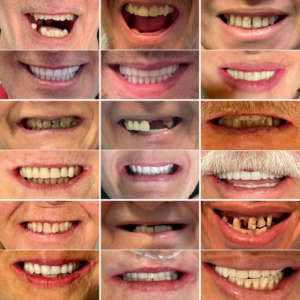
Losing most or all of your teeth can affect much more than your smile. It can change the way you eat, speak, and feel about yourself. Fortunately, advances in modern dentistry have made it possible to restore a complete smile with full mouth dental implants. This treatment provides a stable and long-lasting alternative to traditional dentures, helping many people regain comfort and confidence.
At Texas Implant and Dental Center, patients receive personalised care from experienced dental professionals who focus on advanced implant solutions. Whether you are considering a Dental Implant in Amarillo or exploring treatment options for a Dental Implant in Fort Worth, understanding the complete process before beginning treatment can help you make an informed decision.
This guide explains what full mouth dental implants are, who may benefit from them, how the treatment works, and what you can expect during recovery.
Understanding Full Mouth Dental Implants
Full mouth dental implants are designed to replace an entire upper arch, lower arch, or both using multiple dental implants placed within the jawbone. Instead of replacing each missing tooth individually, a carefully planned number of implants supports a complete fixed prosthetic.
Unlike removable dentures, implant-supported teeth remain securely attached and function much like natural teeth. They provide improved stability, enhanced chewing ability, and better support for long-term oral health.
This treatment has become a popular option for individuals with extensive tooth loss or severely damaged teeth that cannot be restored.
How Do Full Mouth Dental Implants Work?
Dental implants are small titanium posts that are surgically placed into the jawbone. These implants gradually fuse with the surrounding bone through a natural healing process known as osseointegration.
Once healing is complete, custom-made replacement teeth are securely attached to the implants.
The Main Components
Dental Implants
These titanium posts serve as artificial tooth roots that provide strength and stability.
Abutments
Abutments connect the implants to the final restoration.
Full Arch Prosthesis
A customised bridge or full set of replacement teeth is attached to the implants, creating a natural-looking smile.
Who May Be a Good Candidate?
Many people who have lost multiple teeth or have failing teeth may qualify for full mouth dental implants.
You may be considered a suitable candidate if you:
- Have multiple missing teeth
- Have severely damaged or decayed teeth
- Are experiencing loose or uncomfortable dentures
- Have healthy gums or manageable gum disease
- Have sufficient jawbone to support implants or qualify for bone grafting
- Are generally in good overall health
A comprehensive examination helps determine whether implants are the right treatment option for your individual needs.
Why Do People Choose Full Mouth Dental Implants?
Many patients prefer implant-supported restorations because they closely resemble natural teeth in both appearance and function.
Improved Stability
Unlike removable dentures, implants remain securely fixed in place during speaking and eating.
Better Chewing Function
Patients can often enjoy a wider variety of foods compared to those wearing traditional dentures.
Natural Appearance
Modern restorations are designed to match facial features, providing a realistic and balanced smile.
Jawbone Preservation
Because implants stimulate the jawbone similarly to natural tooth roots, they may help reduce bone loss over time.
Long-Term Solution
With proper care and regular dental visits, implants can provide many years of reliable function.
Full Mouth Dental Implants Versus Dentures
Although both treatments replace missing teeth, they function differently.
| Full Mouth Dental Implants | Dentures |
| Fixed securely in place | Removable |
| Improved chewing ability | May shift while eating |
| Supports jawbone health | Does not prevent bone loss |
| Natural appearance | Can sometimes appear less stable |
| Requires surgery | No implant surgery required |
Traditional dentures continue to be an appropriate solution for many individuals. However, patients seeking greater stability often choose implant-supported restorations after discussing their options with a dental professional.
The Full Mouth Dental Implant Treatment Process
Understanding each stage of treatment helps patients know what to expect.
Initial Consultation
Your dentist begins with a detailed examination that includes:
- Medical history review
- Oral examination
- Digital X-rays
- 3D imaging
- Discussion of treatment goals
The information gathered helps create a personalised treatment plan.
Treatment Planning
Every patient’s situation is different. Factors such as bone density, gum health, bite alignment, and existing teeth influence the final treatment approach.
Tooth Removal (If Required)
If damaged or failing teeth remain, they may be removed before implant placement.
Bone Grafting
Some patients have experienced jawbone loss after missing teeth for many years.
Bone grafting may be recommended to create a stronger foundation before implant placement.
Not every patient requires this step.
Implant Placement Surgery
The dental implants are carefully placed into the jawbone using advanced surgical techniques.
The number of implants varies depending on the treatment plan and the type of restoration being used.
Healing Period
Over the following months, the implants gradually integrate with the jawbone.
Temporary replacement teeth may be provided during this healing phase.
Final Restoration
Once healing is complete, the permanent prosthetic is attached to the implants.
The final restoration is designed to provide comfortable function and a natural appearance.
How Long Does Treatment Take?
The complete timeline depends on several factors, including:
- Number of implants required
- Bone quality
- Healing speed
- Need for bone grafting
- Overall oral health
Some patients complete treatment within a few months, while others require additional healing time before receiving their final restoration.
Recovery After Implant Surgery
Recovery varies from person to person, but many patients return to normal daily activities within a few days.
During healing, your dentist may recommend:
- Eating soft foods
- Maintaining excellent oral hygiene
- Avoiding smoking
- Following prescribed medications
- Attending follow-up appointments
Careful adherence to post-operative instructions supports proper healing.
Caring for Full Mouth Dental Implants
Although implants cannot develop cavities, maintaining healthy gums remains essential.
Daily care should include:
- Brushing twice each day
- Cleaning around implants with floss or interdental brushes
- Using any recommended oral hygiene products
- Attending regular professional cleanings
- Routine dental examinations
Proper maintenance helps protect both the implants and surrounding tissues.
Can Bone Loss Affect Implant Treatment?
Jawbone loss is common after missing teeth for many years.
Fortunately, bone loss does not automatically prevent implant treatment.
Modern dentistry offers several procedures that may improve bone support before implant placement, including bone grafting and sinus augmentation where appropriate.
Your dentist will evaluate bone levels using advanced imaging before recommending treatment.
Are Full Mouth Dental Implants Safe?
Dental implants have been used successfully for decades and are considered a well-established treatment option when performed by qualified dental professionals.
Like any surgical procedure, treatment involves certain risks, but careful planning, proper case selection, and good oral hygiene contribute to favourable outcomes.
Patients should always discuss their complete medical history with their dentist before treatment.
Questions to Ask Before Starting Treatment
Before deciding on full mouth dental implants, consider asking your dental provider:
Am I a Suitable Candidate?
Your oral health, medical history, and bone structure all influence treatment suitability.
Will I Need Bone Grafting?
Advanced imaging helps determine whether additional procedures are necessary.
What Is the Expected Treatment Timeline?
Understanding the different stages helps set realistic expectations.
What Type of Restoration Will I Receive?
Different materials and restoration designs may be recommended depending on your individual needs.
How Should I Care for My Implants?
Your dental team will explain the daily care routine needed for long-term success.
Choosing the Right Dental Provider
Experience, technology, and personalised treatment planning all contribute to successful outcomes.
When researching implant providers, consider:
- Experience with full mouth implant cases
- Comprehensive treatment planning
- Modern diagnostic technology
- Clear communication throughout treatment
- Long-term maintenance and follow-up care
Patients searching for a Dental Implant in Amarillo or a Dental Implant in Fort Worth should choose a provider that performs detailed evaluations and develops treatment plans based on each individual’s oral health.
Learn More About Texas Implant and Dental Center
When researching treatment providers, it is important to understand their experience, approach, and available services. The About Us section of Texas Implant and Dental Center provides information about the practice, its experienced dental team, patient-focused philosophy, and the advanced technologies used to support implant treatment planning. Learning more about your dental provider can help you feel informed before beginning treatment.
Conclusion
Full mouth dental implants offer a modern solution for replacing an entire arch of missing teeth while providing stability, improved function, and a natural appearance. Although treatment requires careful planning and a healing period, many patients appreciate the long-term benefits compared to traditional dentures.
If you are considering a Dental Implant in Amarillo or a Dental Implant in Fort Worth, discussing your oral health with an experienced dental professional is the best first step. Understanding the treatment process, recovery expectations, and long-term care requirements allows you to make an informed decision about restoring your smile.