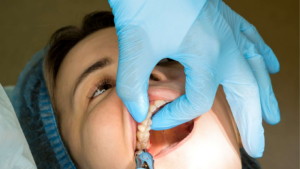
Modern dentistry increasingly uses digital tools to improve how dental implant treatments are planned and delivered. Texas Implant & Dental Center uses contemporary dental technology as part of its approach to evaluating patients and developing implant treatment plans. Digital systems can provide detailed information about oral structures, helping dental professionals assess implant placement and restoration options.
For patients considering full mouth dental implants, individual implants, or alternatives such as dentures, understanding the role of digital technology can make the treatment process easier to follow. These tools are particularly useful when planning complex procedures that require careful evaluation of bone structure, tooth position, and the condition of surrounding tissues.
Dr. Clark Damon’s Expertise in Implant Dentistry
When considering same-day dental implants, the experience and training of the dentist performing the procedure are important factors. Dr. Clark Damon of Texas Implant & Dental Center has extensive experience in implant dentistry and advanced tooth replacement procedures. He has owned the Fort Worth office since 2013 and focuses on providing comprehensive dental care with an emphasis on patient comfort and conservative treatment when appropriate.
Dr. Damon places more than 1,400 dental implants each year and has extensive experience with All-on-4 dental implants, completing approximately 25 All-on-4 cases each month. His advanced training includes a General Practice Residency at the Michael E. DeBakey Veterans Affairs Hospital in Houston, where he developed experience in complex dental and implant procedures.
His professional expertise also includes advanced implant techniques such as zygomatic and pterygoid implants, All-on-6 treatment and full-arch implant rehabilitation. Dr. Damon is a lecturer for the Texas Implant Institute and Neodent and has also lectured for Nobel Biocare on the All-on-4 treatment concept and advanced implant procedures. He serves as Co-Director of the Texas Implant Institute, where he has helped train other dental professionals in implant procedures.
What Is Digital Implant Technology
Digital implant technology refers to computer-assisted tools used during the assessment, planning, and treatment of dental implant cases. Instead of relying only on traditional impressions and two-dimensional images, dentists can combine digital scans and three-dimensional imaging to create a more detailed representation of a patient’s oral structures.
This information can help dental professionals evaluate available bone, identify anatomical structures, and determine suitable locations for implant placement. Digital planning may also allow different treatment possibilities to be reviewed before the procedure begins.
How Digital Technology Supports Implant Planning
Three-Dimensional Imaging
Three-dimensional dental imaging can provide information about the jawbone that may not be visible through standard dental X-rays. This is particularly important for implant treatment because sufficient bone volume and appropriate positioning are essential considerations.
The images can help the dental team examine bone dimensions and the location of structures such as nerves and sinuses. This information contributes to a more informed treatment plan.
Digital Scanning and Impressions
Digital intraoral scanners can capture detailed images of the mouth without requiring some of the traditional impression materials used in dentistry. The resulting digital records can assist with designing crowns, bridges, and other restorations connected to dental implants.
Digital records can also be stored and referenced throughout treatment, helping maintain consistency between different stages of the process.
Digital Planning for Full Mouth Dental Implants
Full mouth dental implants involve replacing multiple missing or severely damaged teeth with implant-supported restorations. Because several implants may need to work together, treatment planning requires consideration of the entire bite, jaw structure, implant positions, and final restoration.
Digital technology can help dentists assess these factors together rather than evaluating each implant in isolation. Computer-based planning may also allow the relationship between the implants and planned restorations to be considered before treatment begins.
This can be especially relevant for patients who are comparing implant-supported restorations with conventional dentures.
Improving Treatment Communication
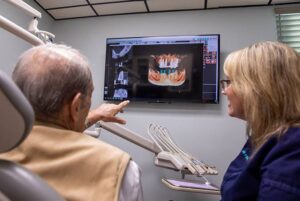
Digital technology can also make it easier for dental professionals to explain treatment options. Three-dimensional images and digital models can provide visual information about the patient’s dental structures and proposed treatment.
Patients can use this information to better understand why a particular implant position, restoration, or treatment sequence may be recommended. Clear communication is an important part of informed decision-making, particularly when several treatment options are available.
Dental Implant Care Across Texas
Patients searching for Dental implants in Amarillo, Texas or Dental implants in Fort Worth, Texas may encounter different approaches to implant planning and treatment. The technology used can vary depending on the dental practice, treatment requirements, and individual patient circumstances.
Regardless of location, an implant evaluation generally involves reviewing oral health, bone structure, existing teeth, medical history, and the patient’s treatment objectives. Digital technology is one part of this evaluation rather than a replacement for professional clinical assessment.
What Patients Should Ask Before Implant Treatment
Before proceeding with dental implants, patients can ask their dental provider about the imaging and planning methods used for their case. It can also be useful to understand the available restoration choices, expected treatment stages, and whether additional procedures may be required.
A detailed consultation helps determine whether implants, dentures, or another restoration option is appropriate for the patient’s specific dental needs.