Turning 65 does not automatically make someone too old for dental implants. For many older adults, tooth loss, loose dentures, changes in jawbone density, and other oral health concerns can make tooth replacement an important part of maintaining comfortable eating and speaking. However, treatment planning may need to account for overall health, medications, bone condition, and individual healing capacity.
At Texas Implant & Dental Center, patients can receive dental implant and denture care at locations in Fort Worth and Amarillo. The practice focuses on dental implants, dentures, and cosmetic dentistry, with Dr. Clark Damon providing implant-focused care and advanced treatment options.
Are Dental Implants Safe for Seniors After 65?
Age alone is generally not the deciding factor when considering dental implants. Instead, a dentist evaluates the patient’s oral health, jawbone condition, medical history, medications, and ability to maintain good oral hygiene.
Older adults may have conditions that affect healing or surgical planning. For example, diabetes, certain medications, smoking, previous radiation treatment, or significant bone loss may require additional evaluation before treatment. This does not necessarily rule out implants, but it can influence the recommended approach.
A detailed consultation allows the dental team to determine whether individual implants, implant-supported dentures, or a full-arch solution is appropriate.
What Changes After 65 When Considering Dental Implants?
Dental implant planning can become more individualized with age. Seniors may have experienced tooth loss for a longer period, which can contribute to changes in the jawbone. Existing dentures, previous dental procedures, and general oral health can also affect the treatment plan.
Another consideration is medication. Some medications can influence bone metabolism, bleeding, or healing. Patients should provide their dentist with an accurate list of prescription medications, supplements, and relevant medical conditions.
The goal is not simply to determine whether an older adult can receive implants. The more important question is which treatment option fits the person’s dental needs, health circumstances, expectations, and long-term maintenance requirements.
Bone Health and Dental Implant Candidacy
Dental implants rely on the jawbone for support. When teeth have been missing for a long time, the surrounding bone can gradually decrease in volume.
This is particularly relevant for seniors who have worn traditional dentures for many years. Advanced imaging can help the dental team assess the available bone and determine how implants may be positioned.
Texas Implant & Dental Center uses Cone Beam CT technology and digital treatment planning for implant cases, including treatment for patients with more complex bone situations.
Dental Implants vs. Dentures in Texas for Older Adults
Traditional dentures remain an option for many people with missing teeth. However, they rest on the gums rather than being anchored directly into the jaw.
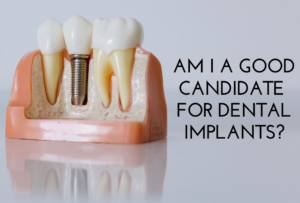
Implants provide another approach. An implant is surgically placed into the jaw and can support a crown, bridge, or denture. Implant-supported dentures can provide additional stability compared with conventional removable dentures.
For seniors who have difficulty keeping traditional dentures secure, an implant-supported option may be worth discussing with a qualified dental professional. The appropriate choice depends on the number of missing teeth, bone condition, oral health, and personal circumstances.
For patients researching Dentures in Texas, it is useful to compare conventional dentures with implant-supported options rather than assuming that one solution is appropriate for everyone.
When Are Full Mouth Dental Implants Considered?
Some older adults have lost most or all of their natural teeth or have teeth that cannot be predictably restored. In these situations, Full Mouth Dental Implants may be considered.
Full-mouth treatment does not necessarily mean placing one implant for every missing tooth. Depending on the patient’s anatomy and treatment plan, multiple implants can support a fixed full-arch restoration.
Texas Implant & Dental Center provides full-mouth implant treatment, including All-on-4 and other advanced implant approaches. The practice also reports using zirconia restorations and digital treatment planning for appropriate cases.
The treatment process can involve several stages, including examination and imaging, implant placement, healing, and placement of the final restoration. Some treatment plans may provide temporary teeth while implants heal, but timing varies by patient and procedure.
What Role Does Dr. Clark Damon Play in Treatment?
Dr. Clark Damon is an Amarillo, Texas native who has operated the Fort Worth office since 2013. His professional background includes an advanced General Practice Residency at the Michael E. DeBakey Veterans Affairs Hospital in Houston.
According to the practice’s published biography, Dr. Damon is also an implant lecturer for the Texas Implant Institute and Neodent and has lectured on treatment concepts including All-on-4, All-on-6, zygomatic and pterygoid implants. He also serves as Co-Director of the Texas Implant Institute.
His stated approach emphasizes conservative dentistry and patient comfort, including the availability of IV sedation.
For older adults, this type of specialist evaluation can be useful when treatment involves extensive tooth loss, previous implant problems, or limited bone availability.
What Should Seniors Expect During an Implant Consultation?
An implant consultation usually begins with a review of dental and medical history. The dentist may examine the teeth, gums, jaw, existing restorations, and areas where teeth are missing.
Imaging may then be used to evaluate bone structure and treatment possibilities. The dentist can discuss whether an individual implant, bridge, conventional denture, implant-supported denture, or full-arch restoration may be appropriate.
Patients should also discuss their expectations, concerns about treatment, recovery, sedation, maintenance, and the expected sequence of appointments.
Rather than choosing a treatment based only on age, seniors should consider how each option fits their health and daily needs.
How Can Seniors Prepare for Implant Treatment?
Good preparation can make treatment planning more straightforward. Patients should provide a complete medical history and tell the dental team about medications and supplements.
Maintaining oral hygiene is also important. Existing gum disease or other oral health problems may need to be addressed before implant treatment.
It is also helpful to arrange transportation if sedation is planned and to understand the expected recovery period. Family members or caregivers may assist with meals, medication schedules, transportation, and follow-up appointments when needed.
When Should a Senior Schedule an Implant Consultation?
Persistent difficulty eating, loose dentures, recurring dental problems, multiple missing teeth, or discomfort from an unstable restoration can be reasons to discuss tooth replacement options.
A consultation does not mean that a patient must choose implants. It provides an opportunity to understand the available treatments and determine which approach is appropriate.
Patients interested in exploring their options can schedule an appointment with Texas Implant & Dental Center to discuss their individual dental needs.