Missing teeth can affect more than the appearance of a smile. They may also make chewing difficult, affect speech and change the way surrounding teeth are supported. Dental implants are one option for replacing missing teeth, offering a fixed solution designed to function similarly to natural teeth. However, understanding the treatment process, eligibility requirements and long-term care is important before making a decision.
Texas Implant & Dental Center provides dental and implant-related care for patients in Fort Worth and Amarillo, Texas. Led by Dr. Clark Damon, the practice focuses on implant dentistry and other restorative dental treatments. Patients considering tooth replacement should understand the available options, treatment requirements and factors that can influence their results.
What Are Dental Implants and How Do They Work?
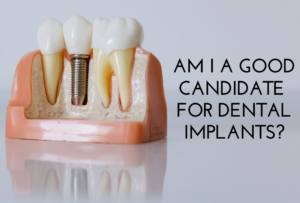
Dental implants are small posts, commonly made from titanium, that are placed into the jawbone to support replacement teeth. They act as artificial tooth roots and provide a foundation for restorations such as crowns, bridges or implant-supported dentures.
After placement, the implant goes through a healing process called osseointegration. During this stage, the surrounding bone gradually bonds with the implant surface. This connection helps provide stability for the replacement tooth.
Unlike removable dentures, a single-tooth implant is generally designed to remain fixed in place. The type of restoration recommended depends on how many teeth are missing, the condition of the jawbone and the patient’s overall oral health.
Who May Be a Suitable Candidate for Dental Implants?
Dental implants may be suitable for adults who have one or more missing teeth and adequate jawbone support. However, candidacy depends on several factors, including gum health, bone density, medical history and oral hygiene habits.
Patients with healthy gums and sufficient bone generally have a more straightforward starting point for implant treatment. Those who have experienced bone loss may require additional evaluation to determine whether preparatory procedures are appropriate.
Certain health conditions, medications and lifestyle habits can also influence healing. For example, uncontrolled diabetes and tobacco use may affect the body’s ability to heal after implant surgery. These factors do not automatically rule out treatment, but they should be discussed during the consultation.
A comprehensive examination helps determine whether implants are appropriate or whether another tooth replacement option may be more suitable.
What Happens During the Dental Implant Procedure?
Understanding the treatment stages can help patients prepare for dental implant surgery. Although the exact process varies, implant treatment generally involves several steps.
Initial Consultation and Dental Evaluation
The process begins with an examination of the teeth, gums and jawbone. The dental professional reviews the patient’s medical and dental history and may recommend digital imaging to evaluate bone structure and identify suitable implant positions.
This assessment helps establish whether the patient needs additional treatment before implant placement. It also provides an opportunity to discuss expectations, treatment timelines and available restoration options.
Implant Placement Surgery
During implant surgery, the dental professional places the implant post into the jawbone. Local anesthesia is commonly used to help manage discomfort during the procedure.
The surgical approach depends on the number of implants required, their location and the condition of the surrounding tissues. After placement, patients receive instructions for managing the healing period and maintaining oral hygiene.
Healing and Osseointegration
Following surgery, the implant needs time to integrate with the surrounding bone. This process can take several months, although the timeline varies between patients.
During healing, patients should follow the recommended dietary and oral hygiene instructions. Follow-up appointments allow the dental team to monitor healing and check the stability of the implant.
Attaching the Final Restoration
Once the implant has integrated sufficiently, the final restoration can be attached. Depending on the treatment plan, this may be a dental crown, bridge or implant-supported denture.
The restoration is designed to fit the patient’s bite and provide the intended appearance and function. Adjustments may be necessary to ensure comfortable chewing and proper alignment.
What Are the Benefits of Choosing Dental Implants?
Dental implants offer several potential benefits for people with missing teeth. One important advantage is that they provide a stable foundation for replacement teeth. Because the implant is anchored in the jawbone, it does not rely on neighbouring natural teeth for support in the same way as some traditional bridges.
Implants can also help preserve jawbone structure. When a natural tooth is lost, the surrounding bone may gradually shrink because it no longer receives normal stimulation from the tooth root. An implant can provide stimulation through functional loading, which may help reduce bone loss in suitable cases.
Another benefit is that implant-supported restorations can be designed to resemble natural teeth. They may improve chewing ability and provide a fixed alternative to removable tooth replacement options.
However, results depend on individual circumstances, and implants are not suitable for everyone. A dental evaluation is necessary to understand the potential benefits and limitations.
Dental Implants vs. Other Tooth Replacement Options
Dental implants are not the only way to replace missing teeth. Dentures and dental bridges are also commonly used, and each option has different requirements.
| Feature | Dental Implants | Traditional Dentures | Dental Bridges |
| Placement | Surgically placed in the jawbone | Removable appliance | Supported by neighbouring teeth |
| Stability | Fixed after restoration | May move without proper fit | Fixed in place |
| Bone support | Can help maintain bone through functional stimulation | Does not replace the tooth root | Does not directly replace the root |
| Maintenance | Daily cleaning and professional monitoring | Daily cleaning and periodic adjustments | Brushing and cleaning beneath the bridge |
| Suitability | Depends on bone and gum health | Depends on oral anatomy and treatment needs | Depends on the condition of supporting teeth |
Patients comparing these options should consider their oral health, budget, treatment preferences and long-term expectations. Traditional and implant-supported dentures in Fort Worth may be considered depending on the number of missing teeth, jawbone condition and individual treatment requirements.
How Long Does Dental Implant Recovery Take?
Dental implant recovery varies according to the complexity of the procedure, the number of implants placed and the patient’s healing response.
Some initial soreness, swelling or minor bleeding may occur after surgery. These symptoms generally improve as the surgical area heals. Patients should follow their post-operative instructions and avoid putting unnecessary pressure on the implant site during the early healing period.
Osseointegration usually requires several months. However, the complete treatment timeline may be longer if bone grafting, tooth extraction or other preparatory procedures are necessary.
Regular follow-up visits help the dental team assess healing and determine when the final restoration can be placed.
How Can You Maintain Dental Implants for Long-Term Results?
Dental implants require consistent care even though the implant itself cannot develop tooth decay. The surrounding gums and bone remain vulnerable to inflammation and infection.
Patients should brush twice daily using a suitable toothbrush and clean between their teeth and around the implant with recommended interdental cleaning tools. Professional dental examinations and cleanings are also important for monitoring the condition of the surrounding tissues.
Smoking, poor oral hygiene and untreated gum disease can increase the risk of implant-related complications. Patients should also report persistent bleeding, swelling, discomfort or changes around an implant to their dental professional.
Long-term success depends on appropriate treatment planning, healthy supporting tissues and regular maintenance.
What Should You Consider When Choosing a Dental Implant Provider in Texas?
Choosing a dental implant provider involves understanding the professional’s experience, available treatments and approach to patient care. Patients should ask about the proposed treatment plan, expected timeline, possible risks and maintenance requirements.
Texas Implant & Dental Center serves patients in Fort Worth and Amarillo. The practice is led by Dr. Clark Damon, whose professional background and experience in implant dentistry and restorative dental care are relevant to patients considering tooth replacement.
A consultation can help determine whether dental implants are suitable based on oral health, bone support and individual treatment goals. Patients can schedule a dental appointment to discuss their tooth replacement needs and possible treatment options.