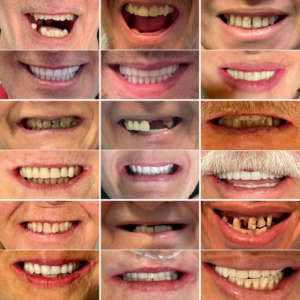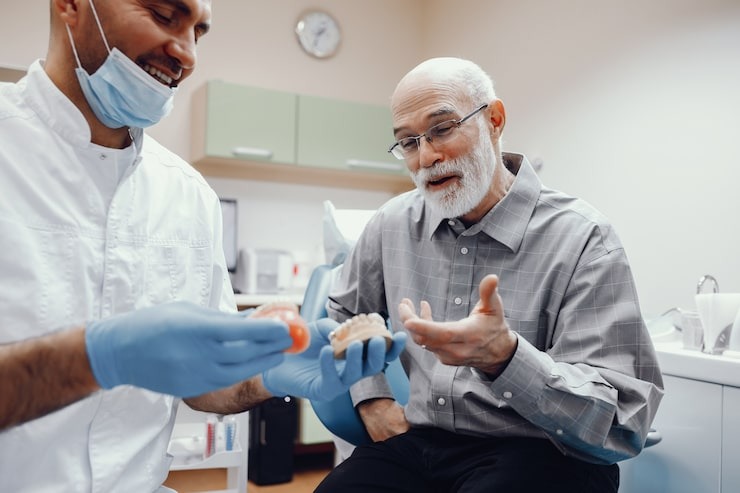
Missing teeth can affect much more than your smile. They can make eating difficult, change the way you speak, and even impact your confidence. Fortunately, modern tooth replacement options allow patients to restore both function and appearance. At Texas Implant and Dental Center , patients receive personalized guidance to help determine whether Dentures, Dental Implants, or other restorative treatments best fit their oral health needs and lifestyle.
Every patient has unique dental needs. Some require a complete replacement for all teeth, while others only need support for a specific section of the mouth. Understanding the different types of dentures, their advantages, limitations, and maintenance requirements can help you make a well-informed decision before beginning treatment.
This guide explains upper, lower, and full dentures in detail, while also comparing them with dental implants so you can better understand your available options.
What Are Dentures?
Dentures are removable dental appliances designed to replace missing teeth and surrounding gum tissue. They help restore chewing ability, improve speech, support facial muscles, and enhance overall appearance.
Today’s dentures are made from durable materials that closely resemble natural teeth and gums. With proper fitting and regular dental care, dentures can provide many years of comfortable use.
Dentures are generally recommended for patients who have lost multiple teeth due to:
- Tooth decay
- Gum disease
- Injury or trauma
- Age-related tooth loss
- Medical conditions affecting oral health
Depending on how many teeth are missing, patients may receive partial or complete dentures.
Why Replacing Missing Teeth Is Important
Ignoring tooth loss can lead to several oral health problems over time.
Bone Loss
When teeth are missing, the jawbone no longer receives stimulation from chewing. This causes gradual bone deterioration.
Facial Changes
Missing teeth can cause facial muscles to lose support, making the face appear sunken or older.
Difficulty Eating
Chewing becomes more challenging, especially with harder foods like fruits, vegetables, and meats.
Speech Problems
Missing front teeth often affect pronunciation and speech clarity.
Teeth Shifting
Remaining natural teeth may gradually move into empty spaces, creating bite problems.
Replacing missing teeth with dentures or Dental Implants helps reduce these complications.
Types of Dentures
Upper Dentures
Upper dentures replace all missing teeth in the upper jaw. They typically cover the roof of the mouth to create suction that helps keep the denture in place.
Benefits of Upper Dentures
- Restore upper teeth appearance
- Improve speech
- Support facial structure
- Allow better chewing
- Usually provide stronger stability because of natural suction
Most patients adapt to upper dentures more quickly than lower dentures.
Lower Dentures
Lower dentures replace all missing teeth in the lower jaw.
Unlike upper dentures, lower dentures sit on the lower gum ridge without covering the tongue area. Since the tongue moves constantly, lower dentures may require more adjustment.
Challenges of Lower Dentures
- Less natural suction
- More movement during eating
- Longer adjustment period
- Greater dependence on proper fit
Some patients choose implant-supported lower dentures for additional stability.
Full Dentures
Full dentures replace every tooth in both the upper and lower jaws.
They are commonly recommended for patients who have lost all natural teeth or require complete extractions because of severe dental disease.
Full Dentures Include
- Upper complete denture
- Lower complete denture
- Artificial teeth
- Gum-colored acrylic base
Modern full dentures are designed to closely resemble natural smiles while restoring everyday function.
How Dentures Are Made
Creating dentures involves several carefully planned appointments.
Initial Examination
The dentist evaluates:
- Gum health
- Jawbone condition
- Bite alignment
- Remaining teeth
- Overall oral health
Impressions
Detailed molds of the gums are taken to create customized dentures.
Bite Measurements
Measurements ensure the dentures fit comfortably and maintain proper jaw alignment.
Try-In Appointment
A temporary version allows adjustments before the final dentures are fabricated.
Final Placement
The finished dentures are inserted, checked, and adjusted for comfort.
What to Expect When Wearing Dentures
The adjustment period is different for everyone.
During the first few weeks, patients commonly notice:
- Increased saliva
- Minor soreness
- Difficulty pronouncing certain words
- Changes while chewing
- Mild pressure on gums
These issues usually improve as the mouth adapts.
Regular follow-up appointments allow the dentist to make necessary adjustments for improved comfort.
Eating with Dentures
Learning to eat comfortably with dentures takes practice.
Initially, choose softer foods such as:
- Scrambled eggs
- Yogurt
- Mashed vegetables
- Pasta
- Fish
- Oatmeal
As confidence improves, gradually introduce firmer foods.
Helpful eating tips include:
- Take smaller bites.
- Chew slowly.
- Use both sides of the mouth equally.
- Avoid extremely sticky foods during the adjustment period.
Speaking with Dentures
Speech may temporarily change after receiving new dentures.
Certain words containing “S,” “F,” or “TH” sounds may require practice.
Reading aloud for several minutes each day helps improve speech more quickly.
Most patients regain natural speech after a short adjustment period.
Caring for Dentures
Proper denture care improves longevity and supports oral health.
Daily Cleaning
Dentures should be cleaned every day using a soft denture brush and a non-abrasive denture cleanser.
Avoid regular toothpaste, which may scratch the denture surface.
Overnight Storage
Most dentures should remain moist when not worn.
Store them in clean water or a recommended denture solution overnight.
Gum Care
Even without natural teeth, gums require daily cleaning using a soft toothbrush or damp cloth.
This helps remove bacteria and improves circulation.
Regular Dental Visits
Routine dental examinations remain important because dentists monitor:
- Gum health
- Denture fit
- Oral tissues
- Bone changes
- Signs of infection
How Long Do Dentures Last?
Most Dentures last between 5 and 10 years.
Several factors influence their lifespan:
- Daily care
- Material quality
- Changes in jawbone
- Gum health
- Regular adjustments
Over time, natural bone shrinkage may require relining or replacing dentures for a comfortable fit.
Common Problems Denture Wearers Experience
Even well-made dentures occasionally require adjustment.
Common concerns include:
Loose Dentures
Bone changes can cause dentures to become unstable.
Gum Irritation
Pressure points may develop, especially with new dentures.
Difficulty Chewing
Patients often improve with practice and minor adjustments.
Clicking Sounds
Improper fit or muscle adaptation may cause temporary clicking while speaking.
Dentists can usually resolve these concerns through adjustments.
Dentures vs Dental Implants
Many patients compare Dentures with Dental Implants before making a treatment decision.
| Feature | Dentures | Dental Implants |
| Removable | Yes | No |
| Surgery Required | No | Yes |
| Bone Preservation | Limited | Excellent |
| Stability | Moderate | High |
| Cleaning | Remove daily | Brush like natural teeth |
| Initial Cost | Lower | Higher |
Dental implants replace tooth roots by placing titanium posts into the jawbone. These posts support crowns, bridges, or implant-supported dentures.
Although implants generally involve a higher initial investment, they often provide greater stability and help preserve jawbone health.
Some patients choose implant-supported dentures to combine the affordability of dentures with the improved retention of implants.
Who Is a Good Candidate for Dentures?
Dentures may be appropriate for individuals who:
- Have lost multiple or all teeth
- Maintain healthy gum tissues
- Want a non-surgical replacement option
- Are looking for a cost-effective treatment
- Can maintain proper oral hygiene
A complete dental evaluation determines the most suitable treatment plan.
Can Dentures and Dental Implants Work Together?
Yes. Many patients benefit from combining Dental Implants with dentures.
Implant-supported dentures provide several advantages:
- Improved stability
- Better chewing ability
- Reduced slipping
- Greater comfort
- Better jawbone preservation
This treatment is especially beneficial for lower dentures, where traditional dentures often move more during daily activities.
Maintaining Long-Term Oral Health
Whether wearing dentures or dental implants, long-term oral health depends on consistent care.
Healthy habits include:
- Brushing gums and tongue daily
- Cleaning dentures thoroughly
- Attending routine dental checkups
- Following professional cleaning recommendations
- Reporting discomfort promptly
These habits help extend the life of restorations while supporting healthy oral tissues.
Choosing the Right Tooth Replacement Solution
There is no single solution that works for everyone. Factors such as overall health, bone condition, budget, lifestyle, and personal preferences all influence the best treatment choice.
At Texas Implant and Dental Center, patients receive individualized evaluations to determine whether traditional Dentures, implant-supported dentures, or Dental Implants offer the most appropriate long-term solution. A personalized treatment plan helps restore comfort, confidence, and daily function while supporting long-term oral health.
Understanding the differences between upper, lower, and full dentures allows patients to make informed decisions and prepare for successful treatment. With proper care and regular dental visits, dentures can provide reliable function and an improved quality of life for many years.