Losing one or more teeth can affect everyday activities, from eating and speaking to maintaining a balanced bite. It can also lead to changes in the jawbone and the position of neighbouring teeth over time. Dental implants offer a way to replace missing teeth with restorations supported by artificial tooth roots. Before choosing this treatment, patients should understand how implants work, what the procedure involves and which factors influence the outcome.
Texas Implant & Dental Center provides implant dentistry and restorative dental services to patients in Fort Worth and Amarillo. Led by Dr. Clark Damon, the practice focuses on helping patients address missing teeth through appropriate tooth replacement options. Understanding the treatment process can help patients have more informed discussions during their dental consultations.
What Makes Dental Implants Different From Other Tooth Replacements?
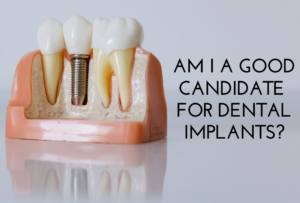
Dental implants are designed to replace the root as well as the visible portion of a missing tooth. A small post, commonly made from titanium, is surgically positioned in the jawbone. Once the surrounding bone integrates with the implant, it can support a dental crown, bridge or denture.
This structure makes implants different from conventional dentures, which rest on the gums, and traditional bridges, which typically rely on neighbouring teeth for support.
Another important distinction is that implants can help maintain jawbone stimulation. Following tooth loss, the bone in the affected area may gradually deteriorate because the natural tooth root is no longer present. An implant can help reduce this process by transferring functional forces to the surrounding bone.
The most appropriate replacement depends on the patient’s dental condition, the number of missing teeth and the available bone support.
What Factors Determine Whether You Can Get Dental Implants?
Not everyone is automatically eligible for implant treatment. A dental professional needs to assess the condition of the jawbone, gums and remaining teeth before recommending the procedure.
Patients with sufficient bone volume and healthy gum tissue may be suitable candidates. However, previous tooth loss, periodontal disease or bone deterioration can make treatment more complex.
Medical history is another important consideration. Conditions that affect healing, certain medications and tobacco use may influence the treatment plan. Patients with diabetes, for example, should discuss how their blood sugar management could affect recovery.
Age alone does not determine eligibility. Instead, the decision is based on overall oral health, bone development, medical circumstances and the ability to maintain good oral hygiene.
What Are the Different Stages of Dental Implant Treatment?
Dental implant treatment involves careful planning and several clinical stages. The exact sequence depends on the patient’s condition and whether additional procedures are necessary.
1. Dental Examination and Treatment Planning
The first stage involves examining the mouth and reviewing the patient’s dental and medical history. Dental imaging may be used to assess bone volume, identify anatomical structures and determine where the implant should be positioned.
The dental professional also considers whether existing gum disease, damaged teeth or bone deficiencies need attention before surgery.
This evaluation helps establish the number of implants required, the type of restoration and the expected treatment timeline.
2. Surgical Placement of the Implant
During the surgical stage, the implant post is positioned within the jawbone. Local anesthesia is generally used to help manage discomfort during the procedure.
The placement technique depends on the location of the missing tooth, bone condition and complexity of the case. After surgery, patients receive instructions covering oral hygiene, food choices and activities to avoid during the initial recovery period.
3. Bone Integration and Healing
After placement, the implant needs time to connect with the surrounding bone. This biological process is known as osseointegration and is essential for providing a stable foundation for the replacement tooth.
Healing periods differ between individuals. Bone quality, surgical complexity and general health can all influence how long integration takes.
Follow-up examinations help determine whether the implant is healing appropriately and when the next stage can begin.
4. Placement of the Replacement Tooth
Once the implant is sufficiently integrated, the final restoration can be attached. Depending on the patient’s needs, this may involve an individual crown, an implant-supported bridge or a denture.
The restoration is designed to fit the available space and work with the patient’s natural bite. Proper positioning is important for comfortable chewing and balanced contact with the surrounding teeth.
What Are the Advantages and Limitations of Dental Implants?
Dental implants provide several functional advantages for suitable patients. They can offer a stable replacement for missing teeth without requiring adjacent healthy teeth to be reshaped for support, as may happen with traditional bridges.
They may also improve chewing function and provide a fixed alternative to removable dentures. Their appearance can be customised to complement the surrounding natural teeth.
However, implant treatment also has limitations. It involves surgery, requires a healing period and may need additional procedures when bone support is insufficient. Treatment can also involve a higher initial cost than some conventional tooth replacement options.
Implants require ongoing maintenance, and complications such as inflammation around the implant can occur. Therefore, patients should consider both the potential benefits and the responsibilities associated with long-term care.
Dental Implants, Bridges and Dentures: Which Option Is Suitable?
The choice between implants, bridges and dentures depends on several clinical and personal factors. Each option has a different design, maintenance routine and impact on surrounding oral structures.
| Comparison | Dental Implants | Dental Bridges | Traditional Dentures |
| Support | Anchored in the jawbone | Supported by neighbouring teeth | Rests on the gums |
| Removability | Generally fixed | Fixed | Removable |
| Surgical procedure | Usually required | Usually not required | Usually not required |
| Bone stimulation | Can provide functional stimulation | Does not replace the tooth root | Does not replace the tooth root |
| Maintenance | Daily hygiene and professional monitoring | Special cleaning around the bridge | Daily removal and cleaning |
| Best suited for | Suitable candidates with adequate bone support | Patients with appropriate supporting teeth | Patients requiring removable tooth replacement |
Patients considering removable tooth replacement can also compare the available denture treatment options in Fort Worth. A professional examination helps determine which approach is appropriate for the patient’s oral health and treatment goals.
How Can You Protect Your Dental Implants After Treatment?
Receiving an implant does not remove the need for regular oral hygiene. Although artificial implant materials cannot develop cavities, the surrounding gum tissue can become inflamed if plaque accumulates.
Brushing twice a day with a suitable toothbrush helps remove plaque from the teeth and gum line. Cleaning between teeth and around implant restorations is equally important. Depending on the restoration, a dental professional may recommend interdental brushes, specialised floss or other cleaning aids.
Regular dental examinations allow the surrounding tissues to be checked for inflammation and other changes. Patients should also avoid smoking where possible, as tobacco use can interfere with healing and increase the risk of implant complications.
Bleeding, persistent swelling, discomfort or changes in the gum line around an implant should be evaluated rather than ignored.
What Should You Look for When Selecting an Implant Dentist?
Choosing a dental professional involves more than comparing treatment prices. Patients should understand the provider’s training, clinical experience, treatment approach and ability to manage different implant-related needs.
It is also important to discuss the proposed procedure, possible complications, expected healing period and long-term maintenance requirements.
At Texas Implant & Dental Center, Dr. Clark Damon provides implant and restorative dental care. Patients can review Dr. Clark Damon’s professional background when considering their dental treatment options.
The practice serves patients through its Fort Worth and Amarillo dental locations. Location, appointment availability and the type of treatment required can all be considered when arranging an initial evaluation.
Conclusion
Dental implants can provide a stable option for replacing missing teeth, but successful treatment requires more than surgical placement. Bone condition, gum health, treatment planning and ongoing oral hygiene all influence the overall outcome.
Understanding the different stages, comparing replacement options and discussing individual health factors with a qualified dental professional can help patients make informed decisions. A personalised examination is the most reliable way to determine whether implant treatment is appropriate.
Patients interested in discussing missing teeth and potential implant treatment can schedule an appointment with Texas Implant & Dental Center for an individual assessment.