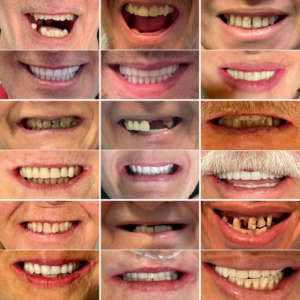
Dental implants have become one of the most reliable and long-lasting solutions for replacing missing teeth. However, the success of your treatment depends greatly on the experience and expertise of the professional performing the procedure. Choosing the right Dental Specialist can help ensure your implants function comfortably, look natural, and last for many years.
At Texas Implant and Dental Center, patients receive personalised care focused on restoring healthy, functional smiles through advanced implant dentistry. As a trusted dental implant clinic, the team takes the time to assess each patient’s oral health, explain treatment options, and create tailored care plans designed to achieve lasting results.
This guide explains what to look for when selecting a dental implant specialist in Fort Worth and the factors that can help you make a well-informed decision.
Why Choosing the Right Dental Implant Specialist Matters
Dental implants are more than simply replacing missing teeth. The treatment requires careful planning, detailed imaging, precise placement, and proper aftercare. Every stage influences how well the implant integrates with the jawbone and supports your long-term oral health.
An experienced Dental Specialist understands how to evaluate bone quality, gum health, bite alignment, and overall oral function before recommending treatment. This comprehensive approach reduces complications and improves the chances of successful healing.
Choosing a qualified specialist also means receiving guidance throughout the entire process, from the initial consultation to the final restoration.
Understand What Dental Implants Involve
Before selecting a provider, it helps to understand the treatment itself.
A dental implant consists of three main components:
- The titanium implant placed into the jawbone
- The connector known as the abutment
- The custom-made crown or prosthetic tooth
Following placement, the implant gradually fuses with the jawbone through a natural healing process called osseointegration. Once healing is complete, the replacement tooth is securely attached, restoring both appearance and function.
Patients missing multiple teeth may also benefit from full mouth dental implants, which replace an entire upper or lower arch using strategically positioned implants.
Check the Specialist’s Qualifications
Education and professional training should be one of your first considerations.
A qualified Dental Specialist should have advanced training in implant dentistry beyond general dental education. Continuing education demonstrates a commitment to learning modern techniques, technologies, and treatment methods.
When researching providers, consider:
- Professional certifications
- Implant-specific training
- Years of clinical experience
- Ongoing education in restorative dentistry
These qualifications indicate that the specialist remains current with advances in implant care.
Look for Extensive Experience with Dental Implants
Experience often plays an important role in treatment success.
Dental implant placement involves careful planning and precision. Specialists who regularly perform implant procedures are generally more familiar with handling straightforward as well as complex cases.
Ask questions such as:
- How many implant procedures have been completed?
- Do they perform single implants and full mouth dental implants?
- Have they treated patients with bone loss or complex restorative needs?
The answers provide valuable insight into their expertise.
Evaluate the Dental Implant Clinic
The quality of the dental implant clinic itself also contributes to the overall patient experience.
A modern clinic should offer advanced diagnostic equipment and maintain high standards of patient care.
Look for features such as:
- Digital X-rays
- Three-dimensional CBCT imaging
- Modern sterilisation procedures
- Comfortable treatment facilities
- Clear communication throughout treatment
These elements support accurate diagnosis and safe implant placement.
Ask About Technology Used During Treatment
Technology has transformed implant dentistry over recent years.
Digital planning tools allow specialists to evaluate bone structure with exceptional accuracy before treatment begins.
Modern technology may include:
3D CBCT Scanning
Detailed three-dimensional imaging provides a complete view of the jawbone, nerves, and surrounding structures.
Digital Treatment Planning
Computer-guided planning helps determine the ideal implant position for long-term stability.
Guided Implant Surgery
Some specialists use surgical guides to improve placement accuracy while reducing treatment time.
These technologies help improve precision while supporting predictable outcomes.
Consider the Range of Implant Solutions Available
Every patient has unique oral health needs.
A reputable dental implant clinic should provide several treatment options rather than recommending the same solution for everyone.
Treatment may include:
Single Tooth Implants
Ideal for replacing one missing tooth while preserving neighbouring teeth.
Multiple Dental Implants
Suitable when replacing several missing teeth without relying on removable dentures.
Full Mouth Dental Implants
Patients missing most or all of their teeth may benefit from full mouth dental implants, providing greater stability, improved chewing ability, and a more natural appearance compared with traditional removable dentures.
Having multiple treatment options ensures recommendations are based on your specific clinical needs.
Read Patient Reviews Carefully
Patient experiences often provide valuable information about the quality of care.
When reading reviews, look beyond overall ratings. Focus on comments discussing:
- Communication
- Professionalism
- Comfort during treatment
- Follow-up care
- Treatment outcomes
Consistent positive feedback over time may indicate reliable patient care.
Remember that individual experiences vary, so reviews should be considered alongside other factors.
Schedule a Consultation Before Deciding
Meeting the specialist in person allows you to assess whether you feel comfortable with their approach.
During your consultation, pay attention to whether they:
- Listen carefully to your concerns
- Explain procedures clearly
- Answer questions honestly
- Discuss realistic expectations
- Provide personalised recommendations
A good consultation should leave you feeling informed rather than pressured.
Discuss Treatment Planning in Detail
Every implant treatment plan should be tailored to the individual patient.
Your Dental Specialist should explain:
Initial Assessment
This includes examining your oral health, reviewing medical history, and assessing bone density.
Treatment Timeline
Healing times vary depending on the procedure, bone quality, and whether additional treatments such as bone grafting are required.
Restoration Process
You should understand when crowns, bridges, or implant-supported dentures will be fitted after healing.
A clear treatment plan helps set realistic expectations.
Understand Costs and Financial Information
Dental implants represent a significant investment in long-term oral health.
Rather than focusing solely on price, consider the value provided through:
- Experience
- Technology
- Materials used
- Follow-up care
- Long-term durability
A reputable dental implant clinic should explain all treatment costs clearly before work begins.
Ask whether payment plans or financing options are available if required.
Ask About Aftercare and Long-Term Maintenance
Successful implant treatment continues after surgery.
Good aftercare includes regular examinations, professional cleaning, and guidance on maintaining excellent oral hygiene.
Your specialist should explain:
- Healing instructions
- Dietary recommendations
- Cleaning techniques
- Regular maintenance appointments
- Signs that require professional review
Proper maintenance significantly contributes to implant longevity.
Consider Communication and Patient Support
Choosing a provider involves more than clinical skills.
Strong communication helps patients feel informed throughout every stage of treatment.
A professional Dental Specialist should provide clear explanations without using confusing terminology. Patients should feel comfortable asking questions and discussing any concerns before, during, and after treatment.
Good communication builds trust and encourages better treatment outcomes.
Why Personalised Care Makes a Difference
No two implant cases are identical.
Factors such as age, medical history, gum health, bone density, and lifestyle all influence treatment planning.
A personalised approach allows specialists to recommend the most appropriate solution rather than following a standard treatment model.
This individual focus often improves both comfort and long-term success.
Questions You Should Ask During Your Consultation
Preparing questions before your appointment can help you compare providers more effectively.
Consider asking:
- How many implant procedures do you perform each year?
- Am I a suitable candidate for dental implants?
- Would I benefit from full mouth dental implants?
- What technology do you use during treatment?
- How long will my treatment take?
- What maintenance will be required afterwards?
- What happens if additional procedures become necessary?
These questions encourage informed decision-making.
Common Mistakes to Avoid When Choosing a Specialist
Many patients focus only on cost, but several other factors deserve equal attention.
Avoid these common mistakes:
Choosing Based Only on Price
Lower treatment costs do not always reflect overall value or long-term success.
Skipping the Consultation
Meeting the specialist helps you understand their approach and experience.
Ignoring Technology
Modern diagnostic tools improve planning and treatment accuracy.
Overlooking Long-Term Care
Implants require ongoing maintenance to remain healthy for many years.
Conclusion
Choosing the right Dental Specialist is one of the most important decisions you’ll make when considering dental implants. Experience, qualifications, technology, personalised treatment planning, and ongoing patient care all contribute to successful outcomes.
At Texas Implant and Dental Center, every patient receives an individual assessment designed to identify the most suitable treatment options, whether replacing a single missing tooth or restoring an entire smile with full mouth dental implants. As an experienced dental implant clinic, the focus remains on delivering informed care supported by modern techniques and comprehensive treatment planning.
If you would like to learn more about your options or discuss whether dental implants are suitable for your needs, Contact us to arrange a consultation and receive professional guidance tailored to your oral health.